



As pet owners, we're careful about the food we give our dogs—but what about the bowls we serve it in?
Studies show that the material and quality of dog bowls play a significant role in your pet's health and safety. FDA-certified dog bowls are tested for safety and free from harmful chemicals that can leach into food and water.
Let's explore why choosing an FDA-certified bowl matters and look at the science behind why it's a safer choice for your pet.

Why FDA Certification Matters for Dog Bowls
The FDA sets strict standards for materials used in products that come into contact with food. FDA-certified pet bowls are made from materials that have passed these safety tests, ensuring they're free from harmful chemicals and toxins.
Prevention of Harmful Chemical Leaching
Non-FDA-certified bowls may contain chemicals like BPA, lead, or phthalates, which can leach into food and water. According to a study published in Environmental Health Perspectives, BPA exposure has been linked to hormonal disruptions and health issues in animals.
Protection from Heavy Metals
Heavy metals, such as lead and cadmium, are found in some imported and lower-quality bowls. The FDA restricts these materials in certified products, ensuring they won't harm your pet if ingested over time.
Non-Toxic and Food-Safe Materials
FDA certification guarantees that the materials are safe for food contact. High-quality materials meet FDA standards and won't degrade or release harmful particles over time.

Health Risks of Non-Certified Dog Bowls
Studies show that non-certified pet bowls can expose dogs to harmful substances. Here's a breakdown of some common risks:
Risk Factor |
Non-Certified Bowls |
FDA-Certified Bowls |
BPA and Phthalates |
Can disrupt endocrine systems and cause organ issues. |
Not allowed; FDA-certified bowls are BPA- and phthalate-free. |
Lead and Cadmium |
Can cause neurological and organ damage over time. |
FDA-certified bowls are lead- and cadmium-free. |
Bacterial Growth |
Scratched plastic bowls trap bacteria, leading to possible infections. |
High-quality FDA-approved materials resist scratching and are easy to sanitize. |
Microplastic Contamination |
Non-certified materials may break down over time, releasing microplastics into food. |
FDA-certified bowls are made with durable, safe materials. |

The Science Behind Material Safety in FDA-Certified Bowls
What are BPA and Phthalates?
BPA (Bisphenol A) and phthalates are industrial chemicals often used in plastics. According to the National Institute of Environmental Health Sciences, BPA exposure can disrupt hormonal balance, affecting reproduction, brain function, and growth.
How Does BPA Affect Dogs?
A study in Chemosphere found that even low levels of BPA exposure can alter hormone levels in mammals, particularly when plastics are exposed to heat or sunlight. FDA-certified bowls are free from these chemicals.
What Heavy Metals Can Be Found in Pet Bowls?
Heavy metals like lead and cadmium have been found in some low-cost, non-certified ceramic and metal pet bowls. According to Environmental Science & Technology, even low levels of lead can cause neurological and organ damage in animals.
How Do Non-Certified Bowls Trap Bacteria?
Plastic bowls tend to scratch and wear down more easily. These scratches can trap bacteria that may not be removed even with regular washing, according to the American Veterinary Medical Association.
Dog Bowls Can Release Microplastics
Research from the Marine & Environmental Research Institute shows that microplastics can pose digestive and immune issues in animals, including dogs.
Benefits of Choosing FDA-Certified Dog Bowls
To sum it up, here are the top benefits of choosing an FDA-certified dog bowl:
Chemical Safety: Free from BPA, phthalates, and other toxic chemicals.
Heavy Metal Protection: Made without lead, cadmium, or other heavy metals.
Reduced Bacterial Risk: High-quality materials resist scratching and bacterial buildup.
No Microplastics: Durable materials that don't break down over time.

Key Takeaways: What to Look for in an FDA-Certified Dog Bowl
When shopping for an FDA-certified dog bowl, consider these features:
Material: Choose stainless steel, ceramic, or silicone — as long as it's FDA-approved.
Certifications: Look for an FDA or "food-safe" label indicating it's certified for food use.
Durability: High-quality materials prevent scratching and keep bacterial growth at bay.
Brand Transparency: Companies that prioritize pet safety make their certifications and testing processes publicly available.
🐾 Looking for an FDA-certified, BPA-free slow feeder bowl?
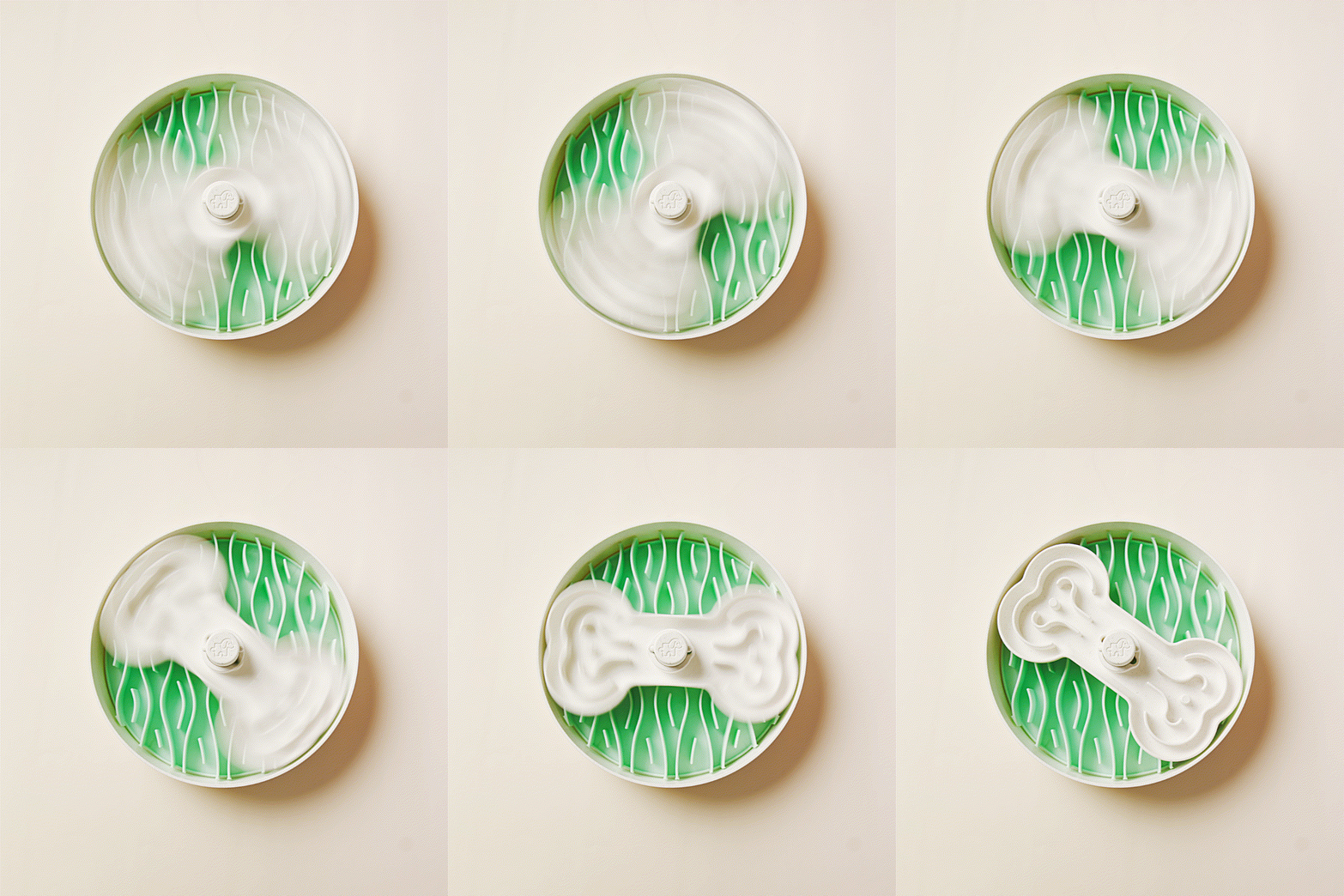
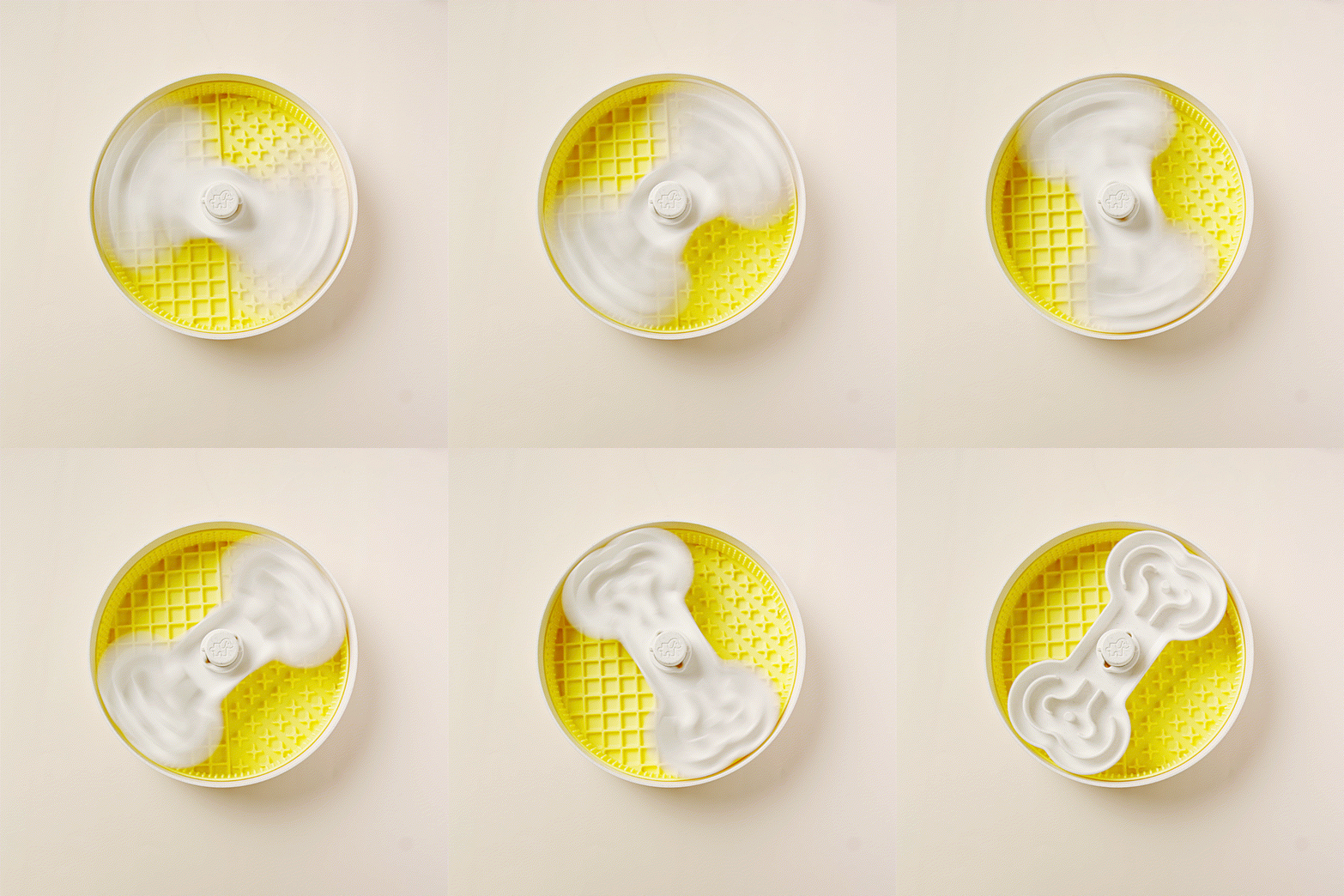
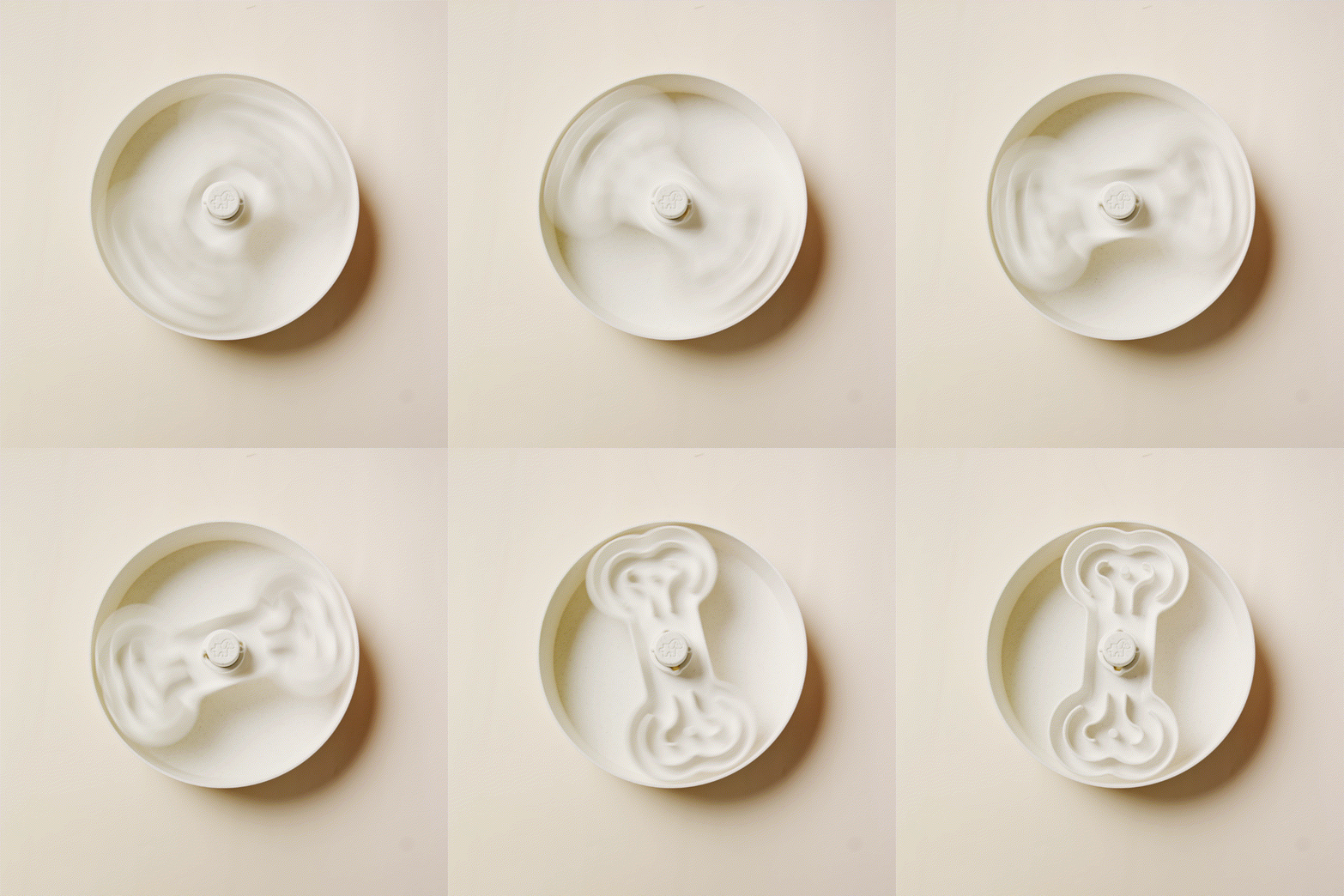
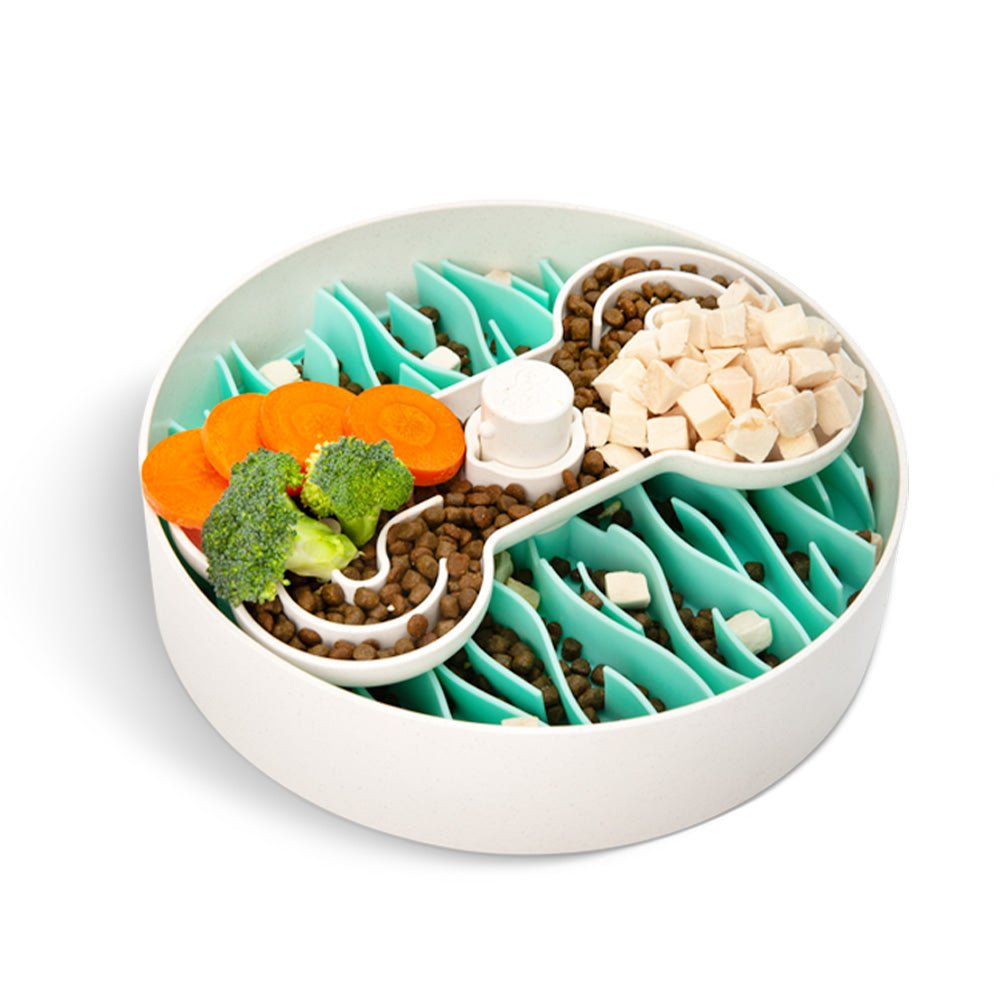
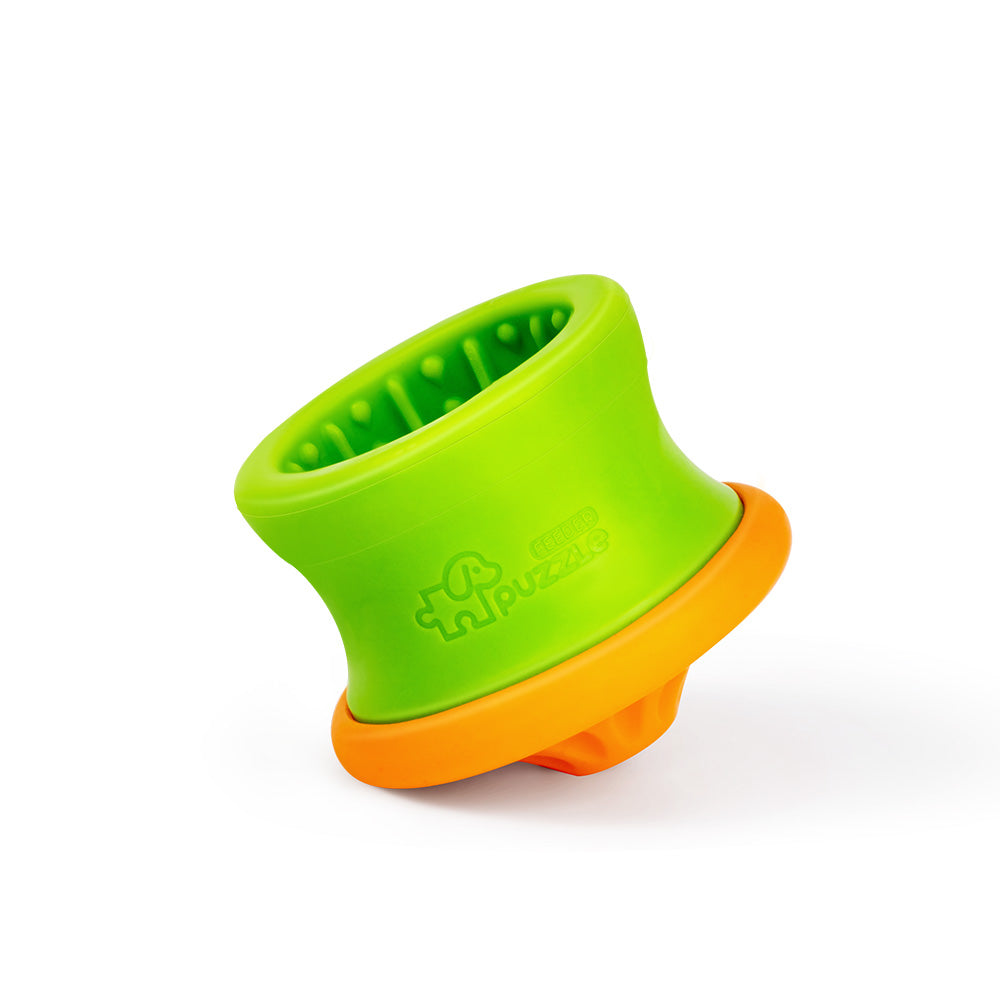
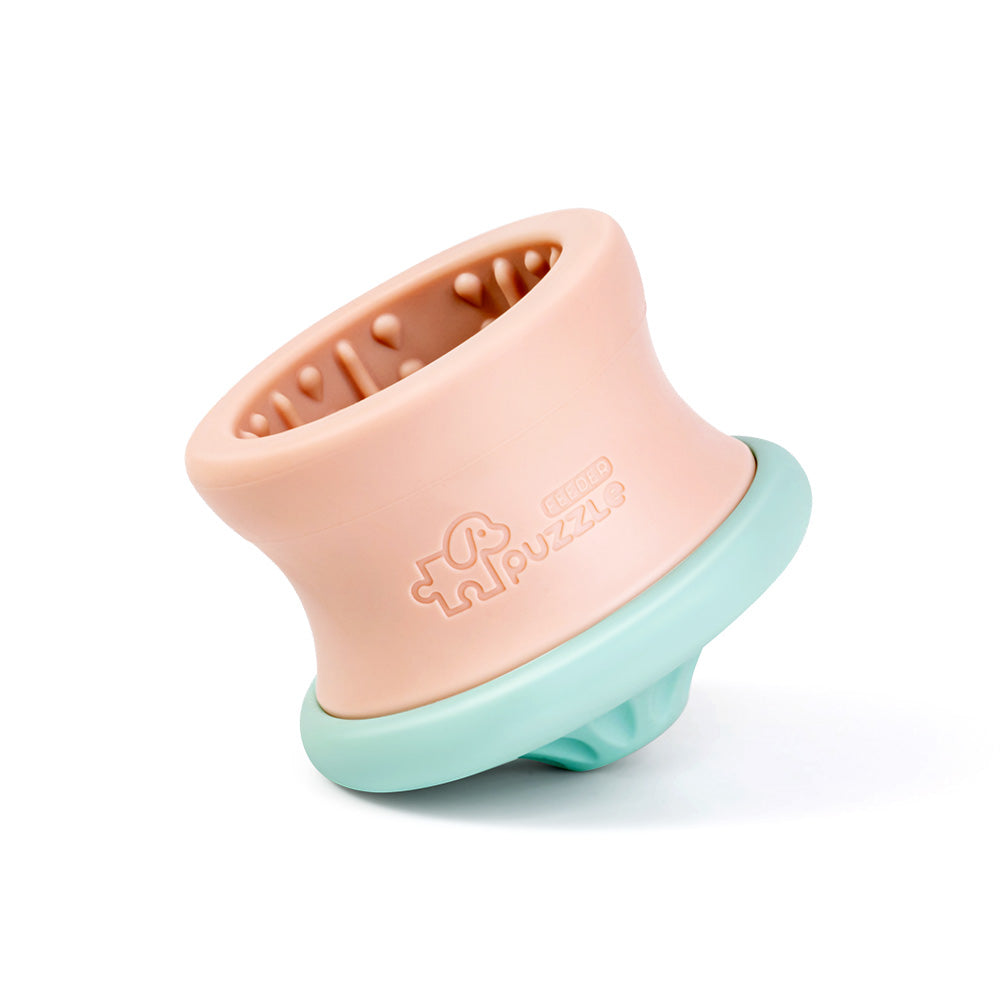
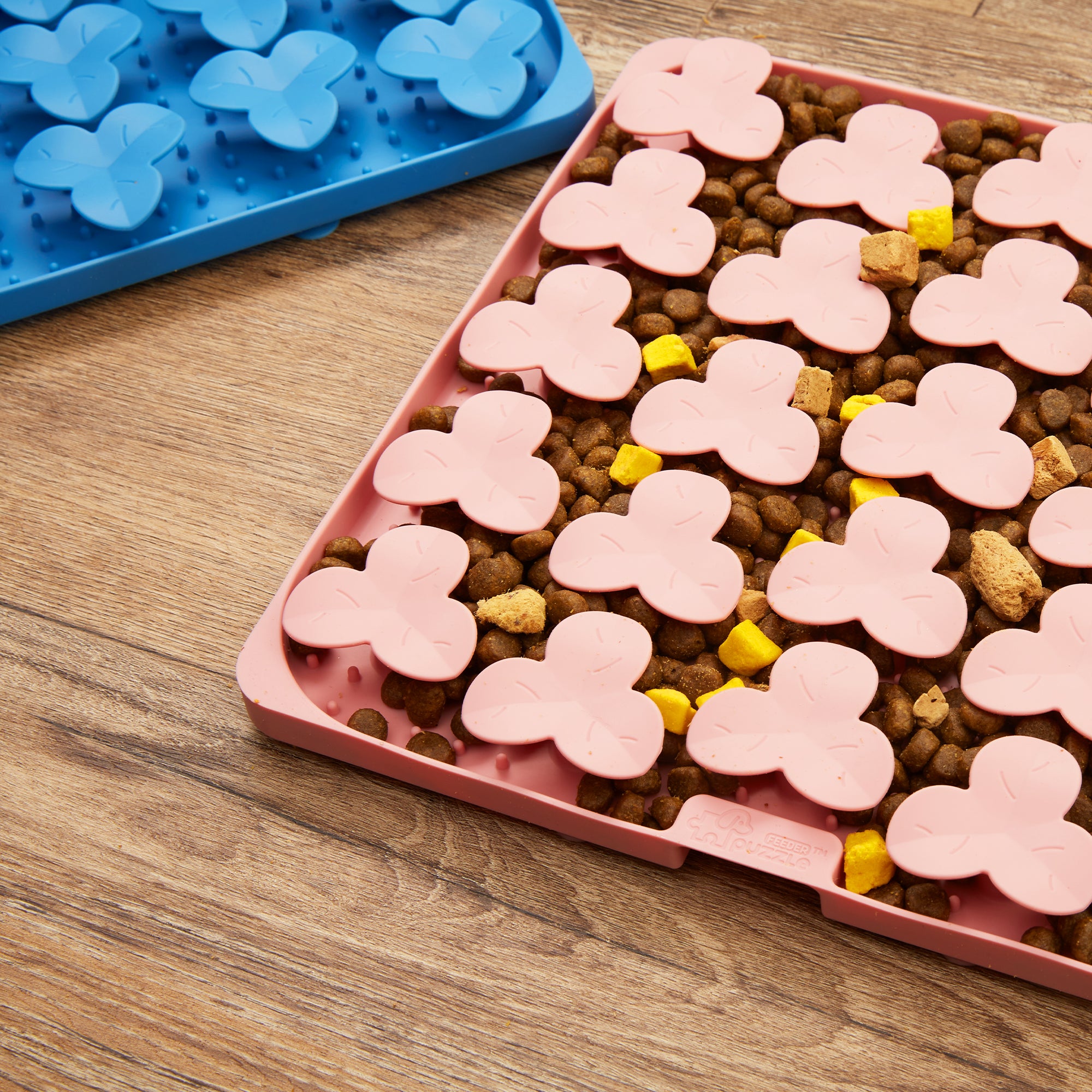
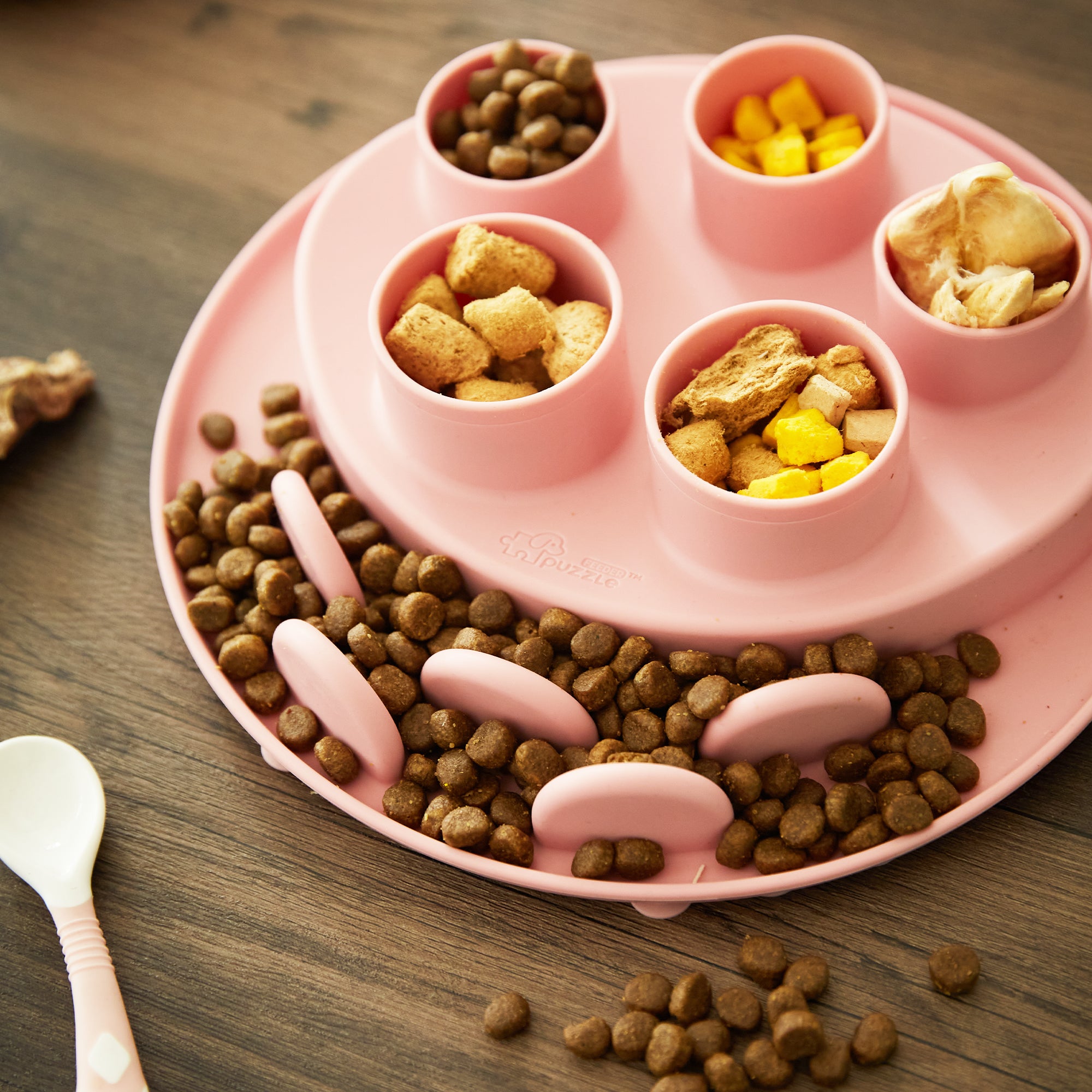
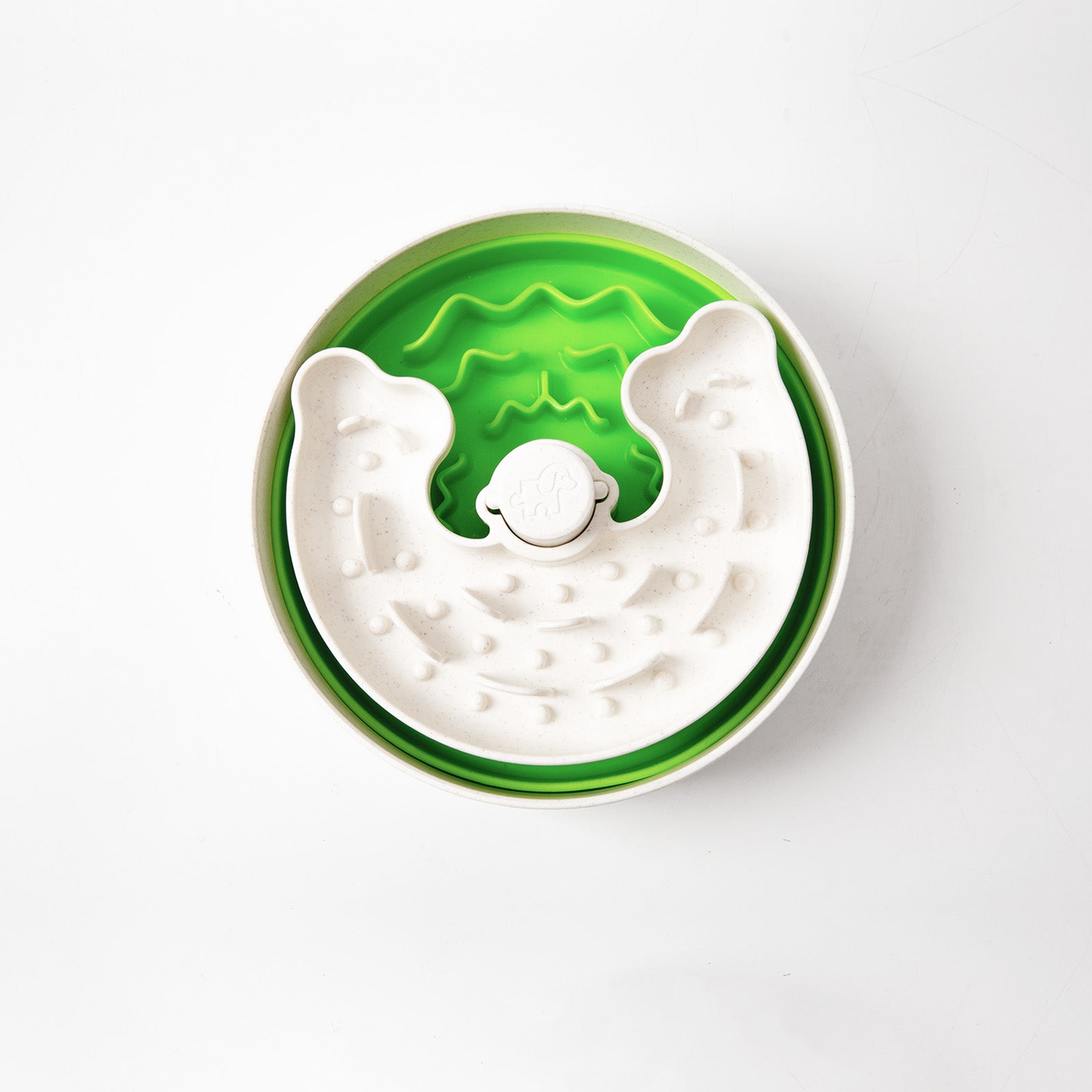
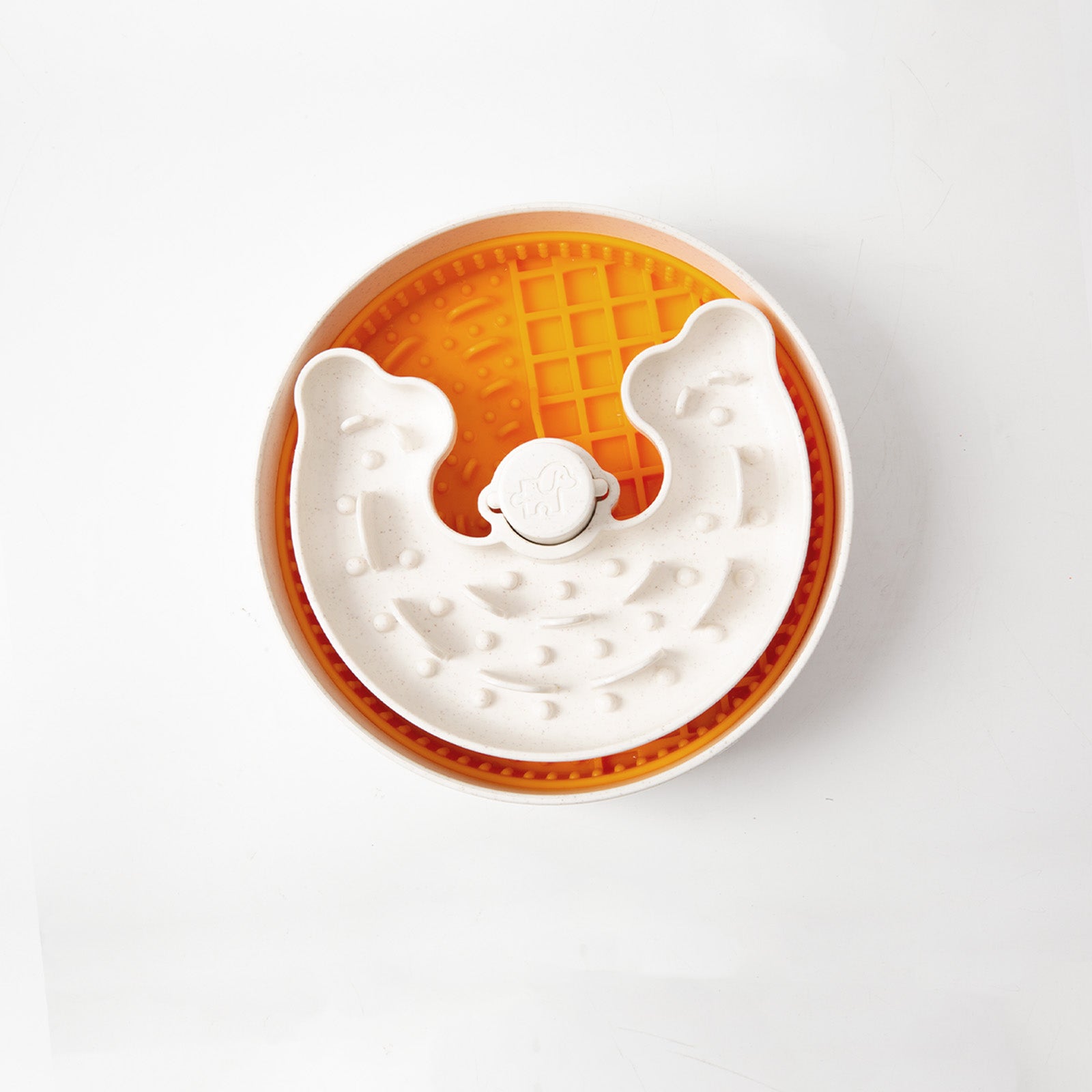
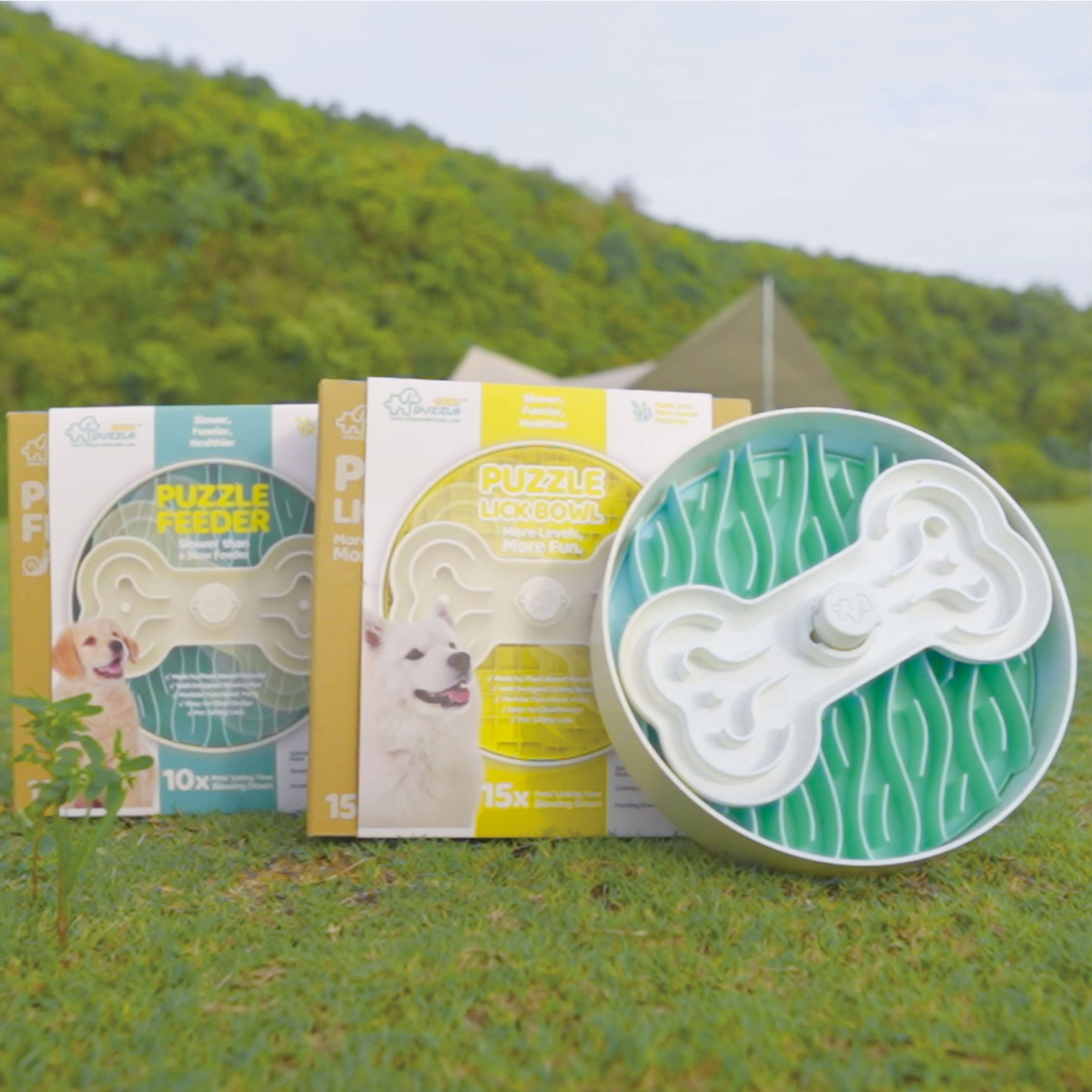
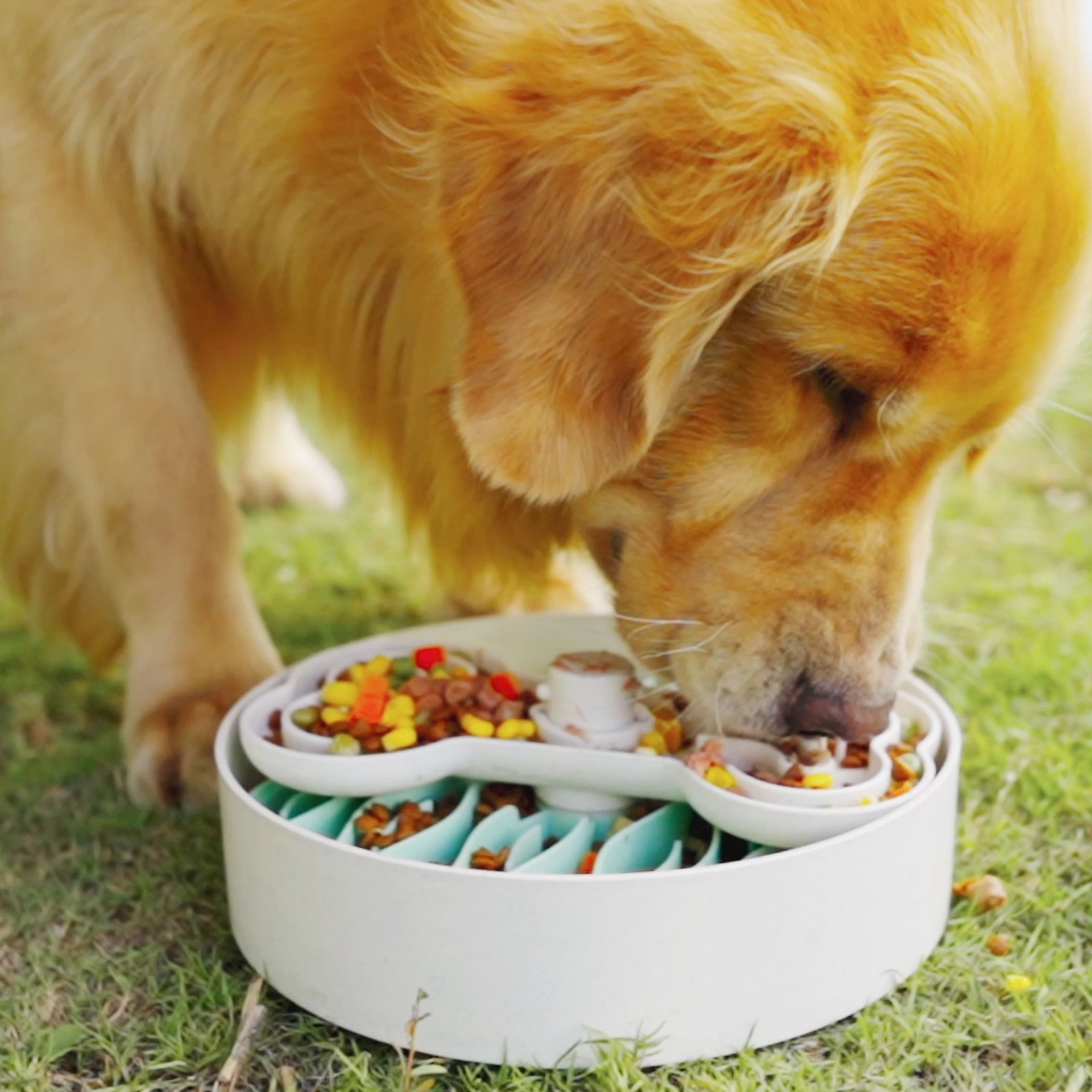
The Puzzle Feeder™ Wave Dog Bowl is made from FDA-certified, food-grade materials — free from BPA, PVC, and heavy metals. The maze design slows eating naturally, reducing bloat and improving digestion.
➡️ Shop the Wave Bowl — FDA-Certified & Vet-Friendly
When it comes to mealtime, your dog's health depends not just on the food you choose — but also on the bowl you serve it in. Puzzle Feeder's FDA-certified dog bowls are safe for dogs and the environment. Browse our FDA-certified slow feeder bowls to find the perfect fit for your dog!



Leave a comment
All comments are moderated before being published.
This site is protected by hCaptcha and the hCaptcha Privacy Policy and Terms of Service apply.