

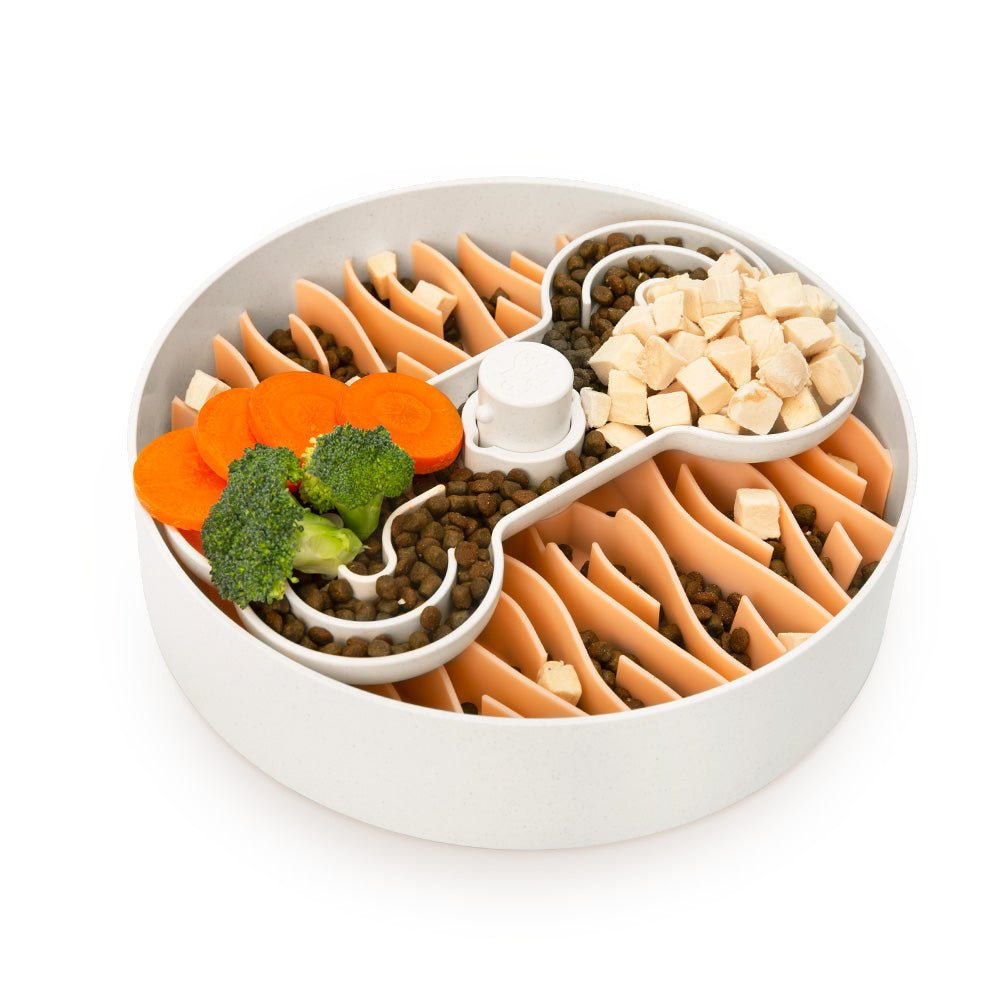
Yes. For most healthy dogs, a puzzle feeder is a good idea: it slows down fast eaters, turns a 30-second meal into several minutes of sniffing and problem-solving, and gives your dog a daily dose of mental exercise. The key is choosing the right difficulty, introducing it gradually, and using part of your dog's normal food rather than extra calories.
Below we cover what puzzle feeders actually do, who they suit best, the downsides worth knowing, and what dog owners in our community tend to notice in the first couple of weeks.
What does a puzzle feeder actually do?
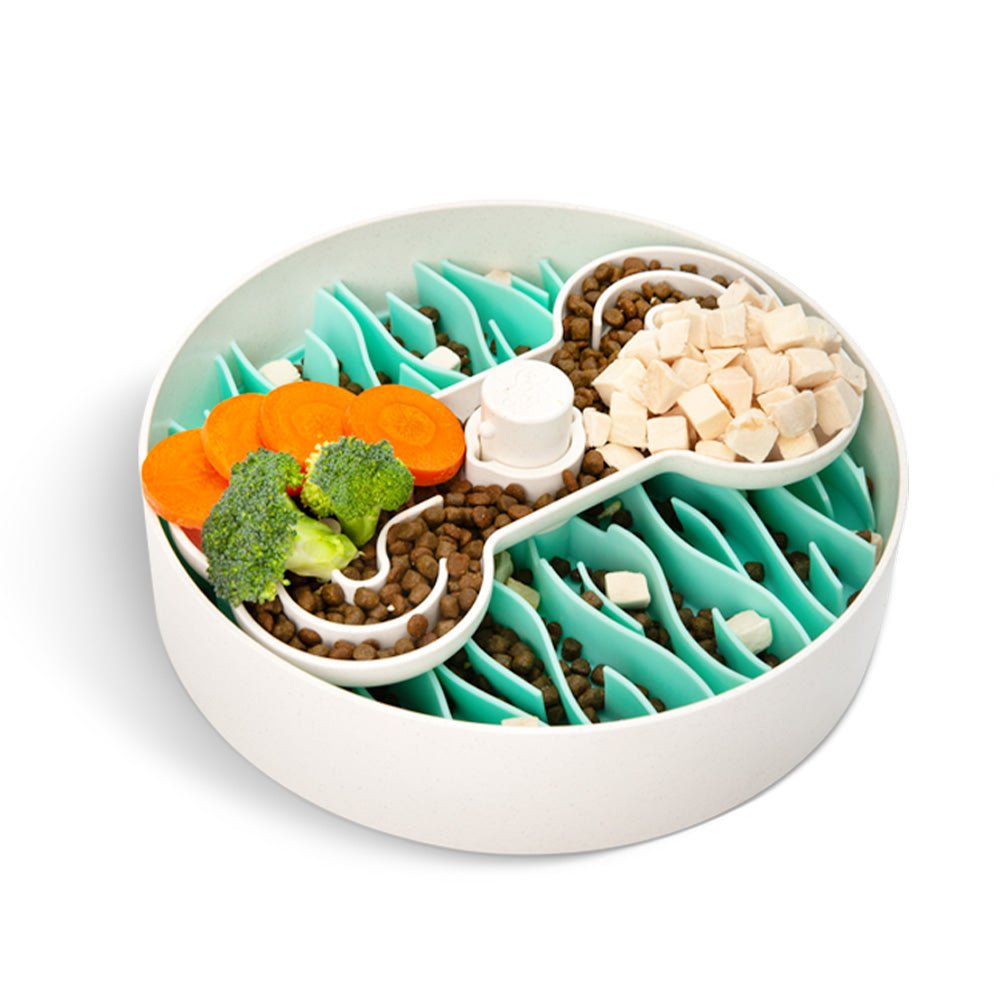
A puzzle feeder is a bowl, mat or toy that hides food inside ridges, channels, pockets or "grass" so your dog has to sniff, lick, nudge and work around obstacles to reach each piece. Instead of scooping up a mouthful at a time, your dog gets a few pieces at a time.
That small change does three things:
- Slows the pace of eating. Dogs physically can't gulp the whole portion in a few bites.
- Adds mental work. Foraging, sniffing and problem-solving use the brain, which many dogs find satisfying and tiring in a good way.
- Makes mealtime last longer. A meal becomes an activity rather than a 30-second event.
Which dogs benefit most from a puzzle feeder?
Almost any dog can enjoy one, but these dogs usually get the most out of it:
| Your dog… | Why a puzzle feeder helps |
|---|---|
| Finishes meals in under a minute or gulps | Forces smaller, slower bites |
| Is a high-energy breed or a young dog | Adds mental exercise on days with less activity |
| Gets bored or destructive when home alone | Gives a calm, focused job to do |
| Is on restricted exercise (ask your vet) | Provides enrichment without running around |
| Is a senior who still likes a challenge | Keeps the brain engaged with an easy setting |
| Is a picky eater | Many dogs show more interest when food is a game |
Not sure how fast your dog really eats? Try our stopwatch test first.
Are there any downsides?
Puzzle feeders are simple tools, but a few things are worth knowing before you buy:
- Frustration if it's too hard. A dog that can't "win" may give up or start chewing the feeder. Start easy and build up.
- Extra calories. Use part of your dog's daily food allowance, not extra treats on top.
- Resource guarding. In multi-dog homes, feed each dog separately. If your dog guards food, talk to a trainer or behaviorist.
- Cleaning. Deep grooves catch wet food. Choose a feeder that is dishwasher-safe or easy to rinse.
- Chewers. Supervise the first few sessions and pick up the feeder when the meal is done.
If your dog has a medical condition, a history of bloat or a special diet, ask your vet before changing how they eat.
What do owners notice after switching?
We hear from dog owners in our community every week, and a few patterns come up again and again in the photos and videos they share:
- Meals take much longer. Dinner turns from a vacuum session into a slow, sniffy routine.
- Calmer evenings. Many owners say their dog settles more easily after a puzzle meal.
- The "aha" moment. Most dogs figure out the basic setting within a few meals, and owners love watching them work it out.
- Less post-meal begging for some dogs, since the meal felt longer and more satisfying.
Every dog is different, so think of these as common experiences rather than guarantees.
How to introduce a puzzle feeder (5 steps)
- Start on the easiest setting. Put a few high-value treats on top where they are easy to reach.
- Mix in regular kibble. Once your dog understands the game, use a portion of their normal meal.
- Stay nearby the first few times. Praise effort and help if they get stuck.
- Increase difficulty slowly. Move to deeper channels or a harder mode only when your dog finishes the easy one confidently.
- Rotate. Switching between a slow feeder, lick bowl and snuffle mat keeps things interesting.
Our full step-by-step training guide goes deeper.
Which type of puzzle feeder should you choose?
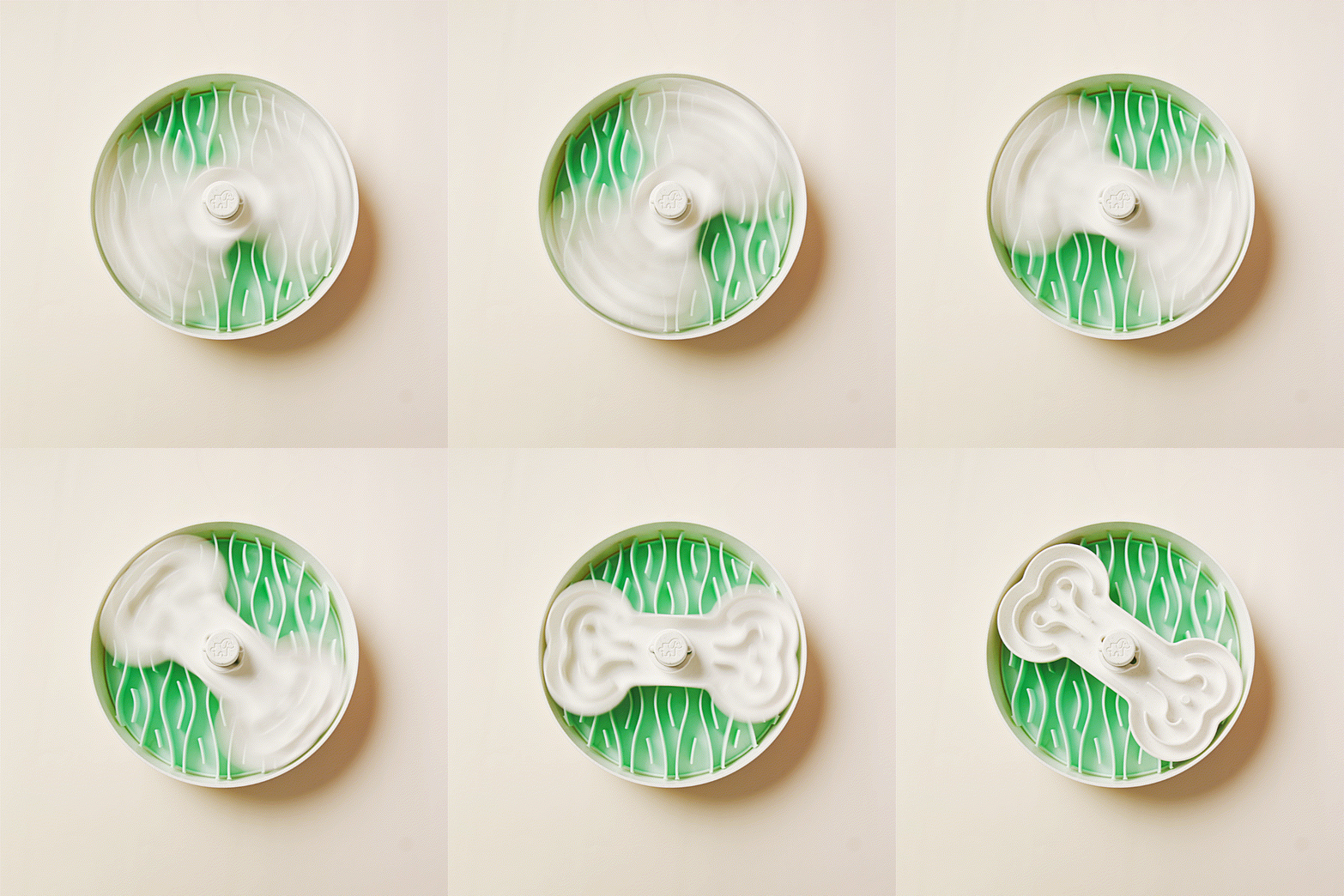
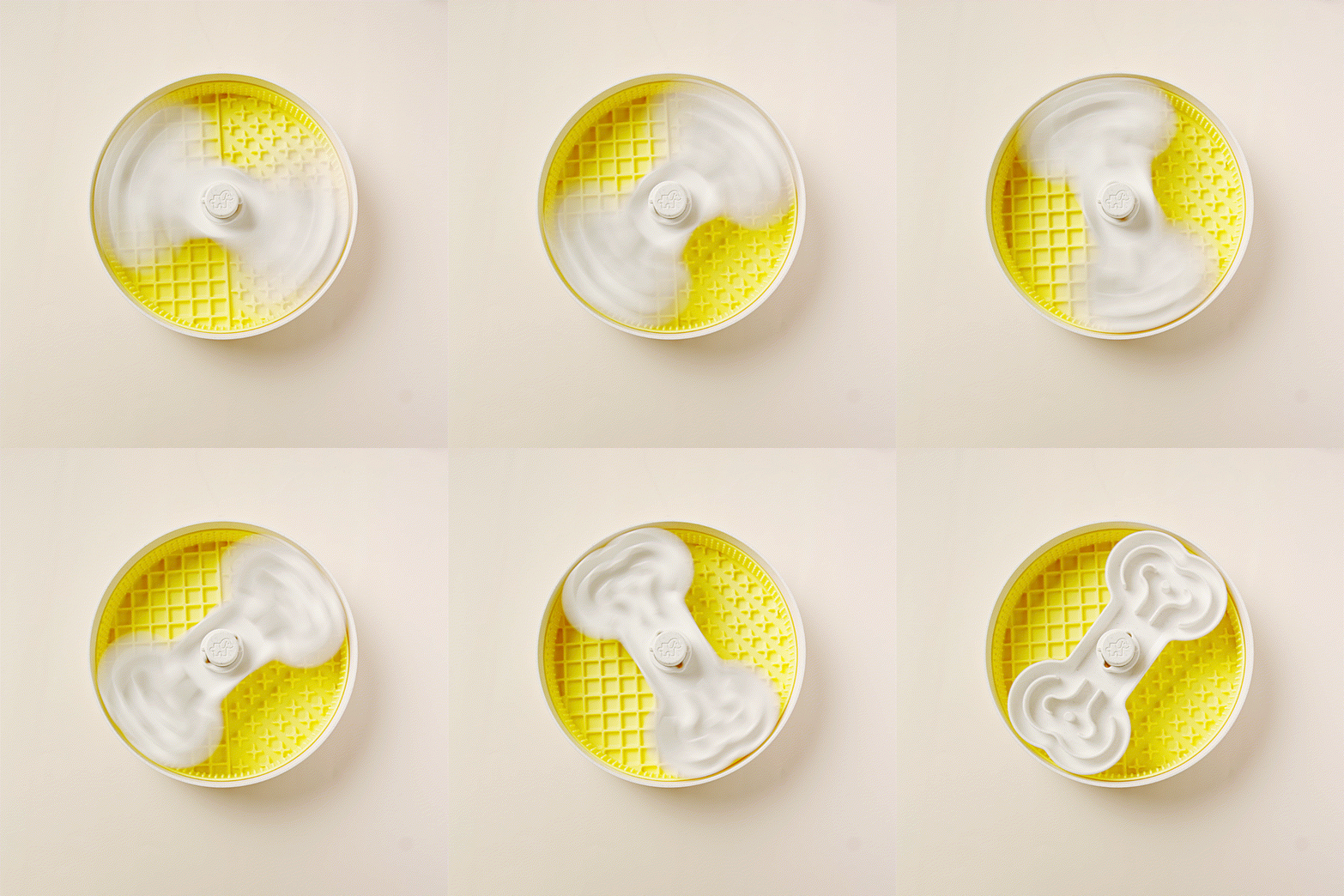
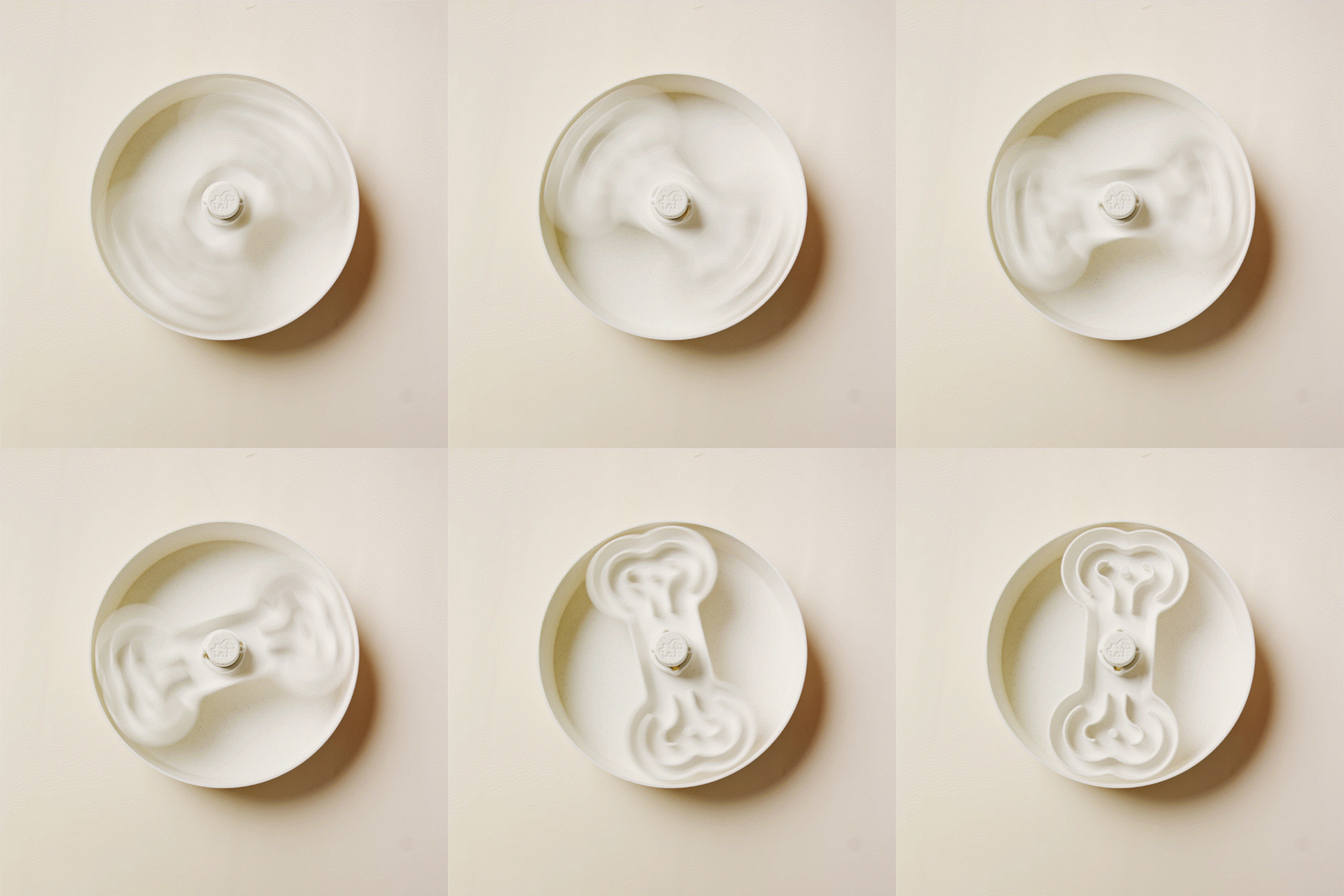
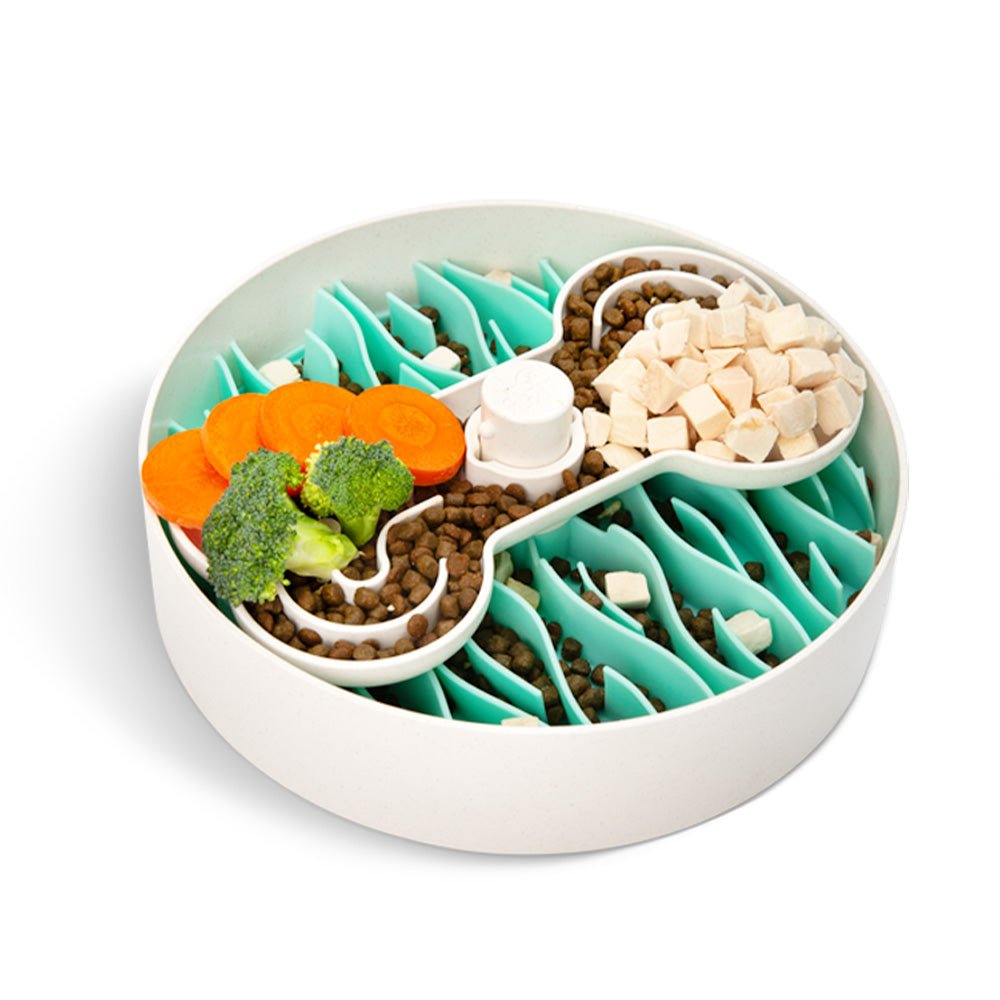
- Everyday meals for a fast eater: the Puzzle Feeder Wave has 3 modular parts and 4 modes, so you can make it easier or harder, and it can slow eating up to 15x compared with a regular bowl.
- Small dogs and puppies: the Puzzle Feeder Junior is sized for smaller mouths and portions.
- Sniffers and foragers: the Grass Snuffle Mat hides kibble between 336 leaves for a nose-work meal.
- Wet food, yogurt or frozen treats: a lick bowl like the Puzzle Licker works better than deep kibble channels.
FAQ
Are puzzle feeders good for puppies?
Yes, as long as the puzzle is easy enough. Start with a shallow setting and supervise so your puppy builds confidence instead of frustration.
Can I use a puzzle feeder for every meal?
Many owners do. If your dog enjoys it and finishes calmly, using it daily is fine. Some dogs like a mix of puzzle meals and a simpler bowl.
How long should a meal in a puzzle feeder take?
It depends on the design, portion and your dog. Several minutes is a good sign. If your dog gives up before finishing, make the setting easier.
Are puzzle feeders good for senior dogs?
They can be a nice way to keep older dogs mentally engaged. Choose an easy, stable design and check with your vet if your dog has dental or mobility issues.
Can I put wet food in a puzzle feeder?
Yes, but lick bowls and shallow designs are easier to clean. Wash after every wet meal.
The bottom line
A puzzle feeder is one of the simplest upgrades you can make to your dog's day: slower meals, a bit of brain work and a calmer routine, all from food you already feed. Start easy, go at your dog's pace, and rotate formats to keep it fun.
New to PuzzleFeeder? Use code PZFDNEW10 for 10% off the Shop All collection, plus free US shipping on orders $40+ (Canada $60+ CAD) and 30-day returns.
Still deciding? Read Which Puzzle Feeder is right for my dog?

Hinterlasse einen Kommentar
Alle Kommentare werden vor der Veröffentlichung geprüft.
Diese Website ist durch hCaptcha geschützt und es gelten die allgemeinen Geschäftsbedingungen und Datenschutzbestimmungen von hCaptcha.